Your website and your software should work together.

See what's breaking
Field service operators

Cleaner intake for excavation and grading teams that need faster follow-up and a page structure built around the real next step.

Excavation and grading website pages and intake paths that stop inquiries from slipping away.

Start your System Check →

Free. A few minutes. No commitment.

Where the handoff breaks

What the owner feels first

We're getting excavation inquiries, but the site does not tell us enough to know what kind of site work this is or whether it even fits our service area and equipment.

The inquiry stops in an inbox. Someone has to sort urgency by hand. The record arrives without enough context, follow-up starts late, and by the time the team responds the buyer has gone quiet or booked somewhere else.

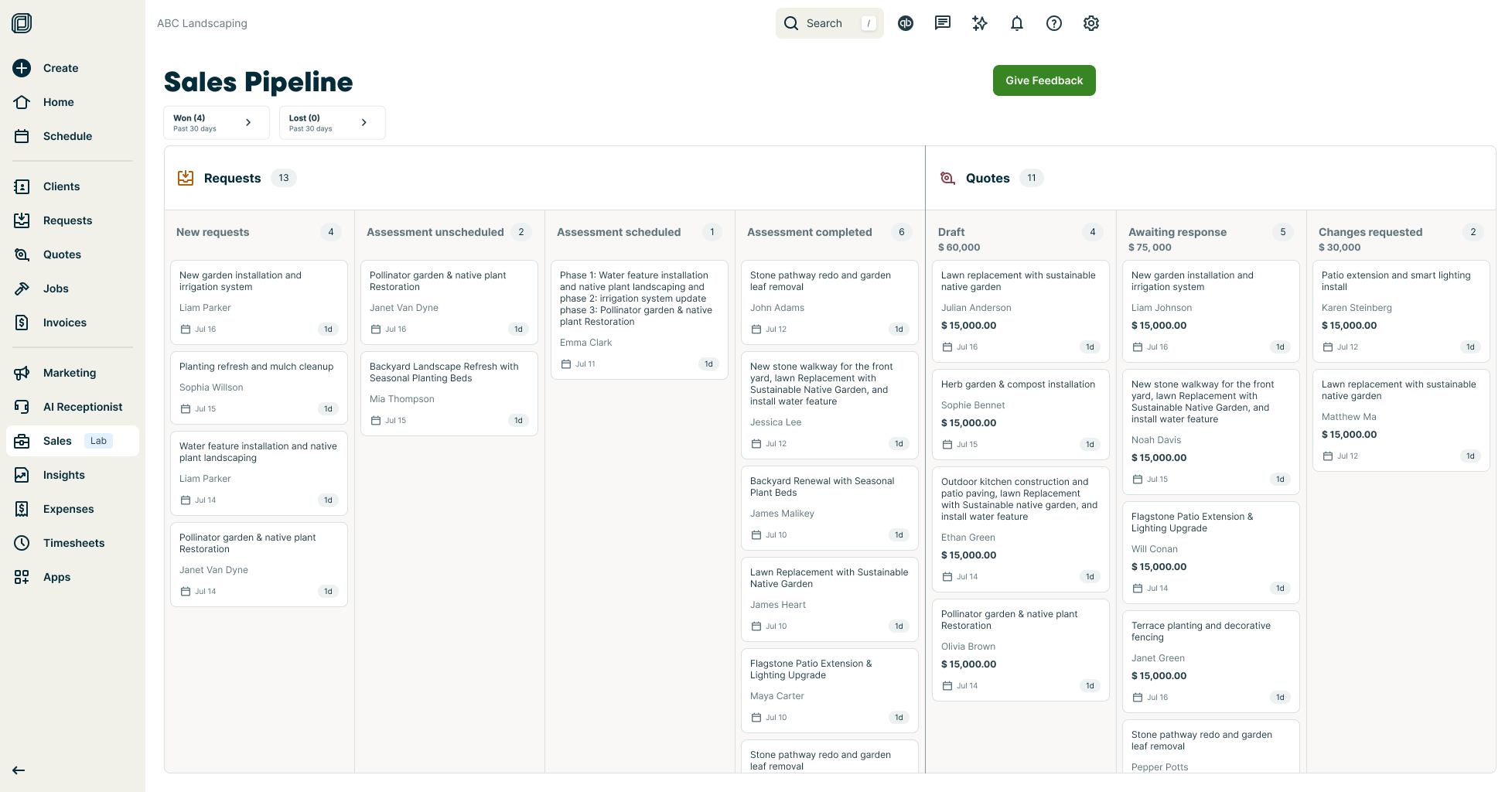
Jobber dashboard — Client Request pipeline
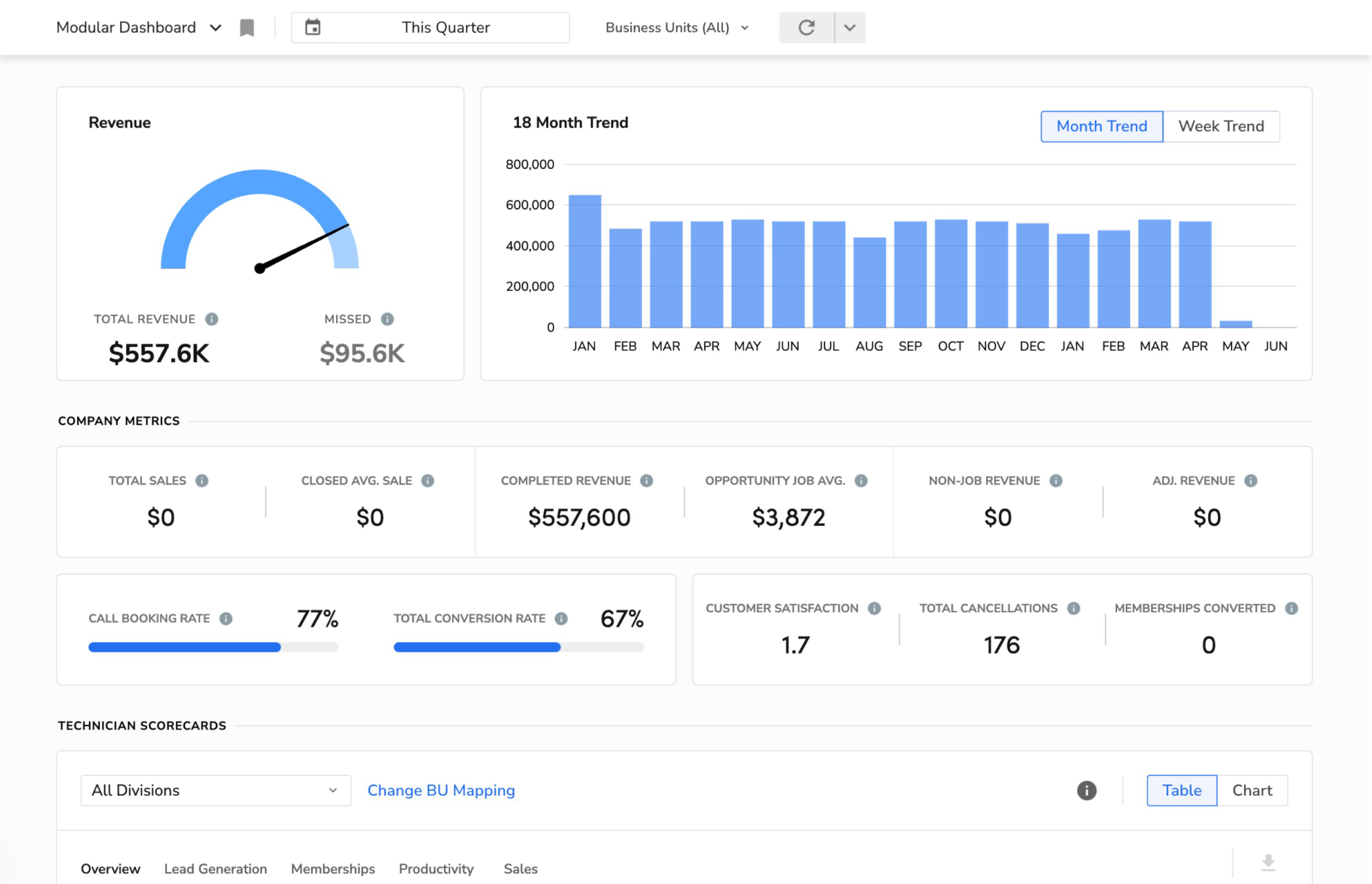
ServiceTitan dashboard — booking and dispatch

Cost of the current setup

The cost shows up in manual sorting, estimate time wasted on bad-fit inquiries, and serious buyers cooling off before the right follow-up starts.

Why generic websites fail this vertical

The website treats grading, utility trenching, pad prep, and haul-off requests like the same generic message, so the team cannot qualify scope or fit quickly. A generic website treats Site prep or grading inquiry and Utility trenching or specialty excavation inquiry like the same generic form event, so the form captures too little, the office has to re-qualify the inquiry manually, and the handoff breaks before your business software can do its job.

Inquiry types

Different inquiry types need different paths

This vertical does not have one generic inquiry. The site needs to capture what kind of inquiry it is, how urgent it is, and where it should go before it lands where your team works.

Page comparison

See how Excavation and grading contractors are getting their site and software to work together.

Each live page below matches a specific software stack already used in this vertical. Pick the one that matches the software the business already runs.

AccuLynx

Excavation grading websites for AccuLynx that qualify project intent

AccuLynx teams usually see the leak when estimate follow-up starts cold. We keep running into this problem: small trenching jobs, site prep packages, and large earthwork bids all land as "excavation" in our inbox. When those requests share one handoff, estimator time leaks before anyone knows which crew class or bonding path should own the AccuLynx Lead.
AccuLynx · Field service operators
Open page

ArboStar

Excavation Grading websites for ArboStar that stop routing chaos before the crew dispatch

We keep running into this problem: excavation grading requests arrive as the same generic inquiry. When the website cannot separate urgent jobs from routine calls, the ArboStar dispatcher still has to decode intent on the first call. This handoff leak wastes response time.
ArboStar · Field service operators
Open page

Buildertrend

Buildertrend websites for excavation grading teams that qualify scope fast

Buildertrend teams usually feel the leak on the first callback. We keep getting vague excavation inquiries that do not explain the actual site-work needed. When grading, utility trenching, and pad prep requests all land in the same inbox, the estimator wastes the first conversation figuring out whether the request fits geography, equipment, and project type. This setup separates site-work scope before the handoff reaches Buildertrend so the estimating team stops triaging blind.
Buildertrend · Field service operators
Open page

FieldPulse

Excavation Grading websites for Fieldpulse that stop handoff leaks

We are frustrated that excavation and grading requests leak when the website can’t capture site and scope context upfront: the request lands without access constraints, rough quantities, or timeline, so the first response window becomes a discovery call before FieldPulse can turn it into a quote-ready job. This setup qualifies the request before it reaches FieldPulse so the first follow-up starts with usable context.
FieldPulse · Field service operators
Open page

Jobber

Excavation grading websites for Jobber that qualify scope faster

Jobber teams usually see the leak when dispatch has to rebuild the story from scratch. We're getting excavation inquiries, but the website still does not tell us what kind of site work this actually is. When grading, trenching, and pad-prep requests hit the same handoff, estimator time leaks before a real Jobber Request exists.
Jobber · Field service operators
Open page

JobNimbus

Excavation Grading websites for JobNimbus that stop handoff leaks

We keep running into this problem: excavation grading inquiries arrive as the same generic request. When the website cannot separate urgent work from routine calls, the JobNimbus scheduler still has to clarify intent on the first call. This handoff leak wastes response time.
JobNimbus · Field service operators
Open page

Kickserv

Excavation Grading websites for Kickserv that stop handoff leaks

We lose estimator time chasing excavation requests when the form skips the site address, haul-off needs, access limits, and machine fit. This setup captures those routing details before Kickserv creates the Opportunity so the dispatcher is not stuck sorting handoff leaks by phone.
Kickserv · Field service operators
Open page

LMN (Landscape Management Network)

Excavation Grading websites for LMN (Landscape Management Network) that stop handoff leaks

We get form fills, but half of them are junk and the good ones sit too long before anyone can call them back. When the excavation grading request hits a slow website handoff, revenue leaks fast. This setup qualifies the request before it reaches LMN (Landscape Management Network) so the first response starts with usable context instead of guesswork.
LMN (Landscape Management Network) · Field service operators
Open page

ServiceM8

Excavation Grading websites for ServiceM8 that stop handoff leaks

We are frustrated that excavation and grading requests leak when the website can’t capture site constraints upfront: the request lands as a vague message, and the first response window gets burned clarifying scope, access, and timing before ServiceM8 can route the job. This setup qualifies the request before it reaches ServiceM8 so follow-up starts with usable context.
ServiceM8 · Field service operators
Open page

ServiceTitan

Excavation grading websites for ServiceTitan that qualify scope faster

We're getting excavation inquiries, but the website still does not tell us what kind of site work this actually is. When grading, trenching, and pad-prep requests hit the same handoff, estimator time leaks before a real ServiceTitan Booking or Job exists.
ServiceTitan · Field service operators
Open page

SingleOps

Excavation Grading websites for SingleOps that stop handoff leaks

We are frustrated that singleOps is operational software with a limited, documented website intake surface. Excavation/grading requests leak when the website hands off vague requests without site type, access constraints, or timeline. This setup captures a bid-ready brief before sending the request into SingleOps using documented paths.
SingleOps · Field service operators
Open page

Swept

Excavation Grading websites for Swept that stop handoff leaks

We are frustrated that swept does not document public website embeds, API access, or webhooks for request capture. Capture excavation requests on-site, route to CRM/email for estimating, then manually onboard accepted projects into Swept, which turns the website into a handoff delay.
Swept · Field service operators
Open page

Proof from the field

We're getting excavation inquiries, but the site does not tell us enough to know what kind of site work this is or whether it even fits our service area and equipment.

What operators keep telling us · Excavation and grading industry